


(Fix Non-system disk or disk error) Fixing the Non-system disk or disk error: Encountering boot errors can be frustrating as they prevent your computer's operating system from starting up correctly. The message "Non-system disk or disk error" is a common issue faced by many Windows users. In this article, we will explore various methods to fix this error and provide you with a permanent solution.
The error message “Non-system disk or disk error. Replace and strike any key when ready” is another type of boot error that can occur on Windows 11, 10, and 8 operating systems.
If you are experiencing this error, continue reading this article to learn about some effective ways to resolve the issue permanently.
What is the Non-system disk error and why does it appear?
The "Non-system disk error" message typically appears when your computer attempts to boot from an invalid disk, suggesting that you replace the current disk and press any key to continue the boot process. However, the error may persist even after following these instructions.
How to fix the Non-system disk or disk error on Windows 11, 10, and 8
You can apply the following methods to fix your computer against the non-system disk error.
Repair using a PC repair tool
These are just a few common reasons behind the Non-system disk error, and there may be other factors that can lead to this type of error. For this reason, it is recommended to keep your computer optimized using a PC repair tool.
Windows consists of a large number of dll files, exe files, sys files, various types of services, databases, and so on, making it impossible to constantly monitor all files. A great PC optimization tool repairs damages, fixes errors, updates Windows and drivers, and silently removes various types of errors.
The Outbyte PC Repair Tool performs all the above tasks effortlessly and provides you with a smooth and error-free Windows environment to work in so you can focus solely on your tasks.
3 steps to fix this error
Step 1. Download the Outbyte PC Repair Tool [File size: 16.4 MB]
Step 2. Scan your Windows computer
Step 3. Click the "Repair" button to fix the error
Solution 1: Remove all external storage media except for the primary hard drive.
When the Windows boot loader fails and multiple storage media are connected to your computer, it may get confused in locating the correct boot file, leading to the "Non-system disk error."
Remove all external storage media from your computer, including USB flash drives, network drives, memory cards, portable hard drives, or expanded hard drives.
After removing the external storage media, restart your computer and check if the error persists.
Solution 2: Fix the boot sequence.
If your primary boot device is set to a non-bootable device like a USB flash drive, CD/DVD drive, or network drive, you may encounter the "Non-system disk error." To resolve this issue, you can check and change the boot order in the BIOS using the following steps:
Step 1: Open BIOS settings. To access the BIOS settings, restart your computer and continuously press the F2/F8/Del/Esc key when you see the manufacturer's logo during startup. Keep in mind that different manufacturers may have different methods to access BIOS settings. It is recommended to refer to the manufacturer's instructions to identify the specific key or key combination to enter BIOS.
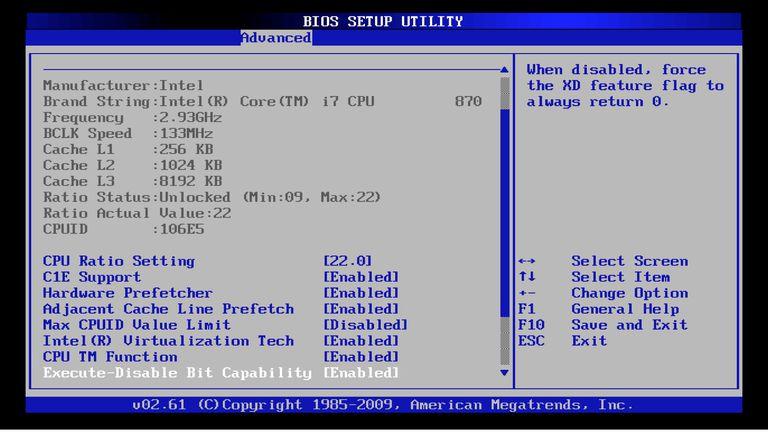
1_bios_settings
Step 2: Locate the boot option settings. The menu style in BIOS may vary by manufacturer, so look for the boot option list and adjust the boot order to prioritize your primary hard drive where Windows is installed. Ensure that the primary hard drive is listed as the first boot device.
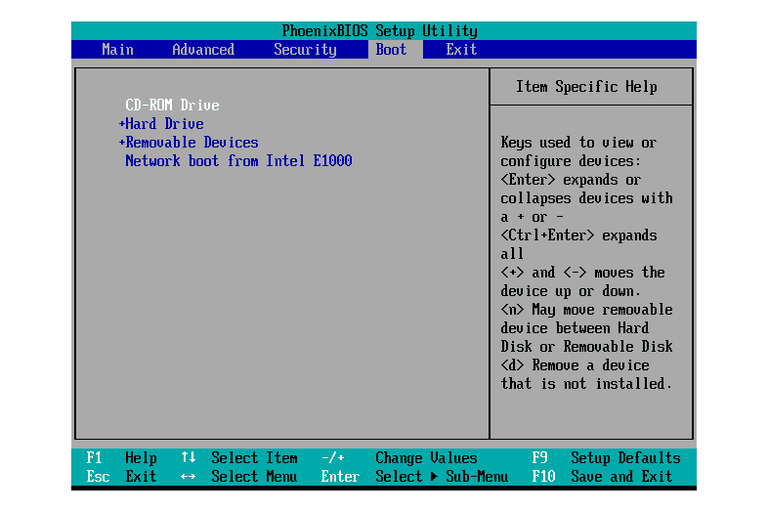
2_bios_boot_option
Solution 3: Repair the Master Boot Record (MBR).
The most suitable way to fix this error code is to repair/restore the Boot Configuration Data (BCD).
The Boot Configuration Data is similar to a database that stores information about boot-related settings. If the Boot Configuration Data (BCD) is corrupted or inaccessible, Windows will not be able to read the boot settings and display the message Bootmgr is missing.
There is a way to rebuild or restore the Boot Configuration Data. Just follow the steps below to restore the BCD.
Step 1: Boot your computer using Windows installation media. The Windows installation wizard will open. Click Next.
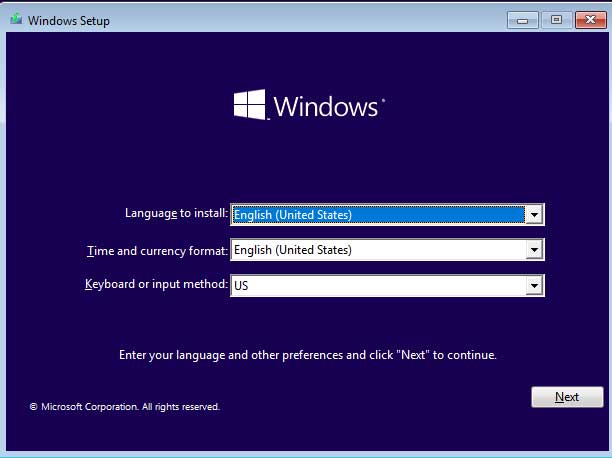
Installing Windows Operating System
Step 2: Select Repair your computer.
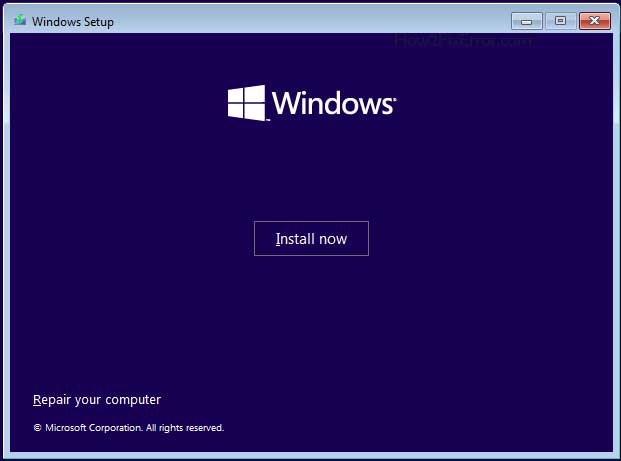
Repair your computer option for Windows 10 and 11.
Step 3: The Advanced Startup Options or Windows Recovery Environment will open. Click Troubleshoot.
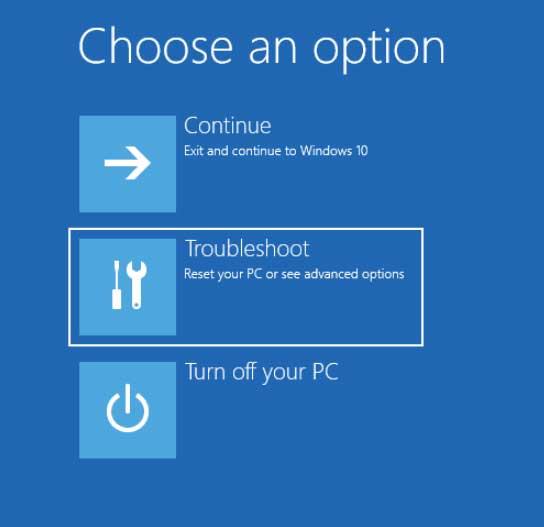
Troubleshoot in the Advanced Startup Options menu for Windows 10 and 11
Step 4: Select Command Prompt.
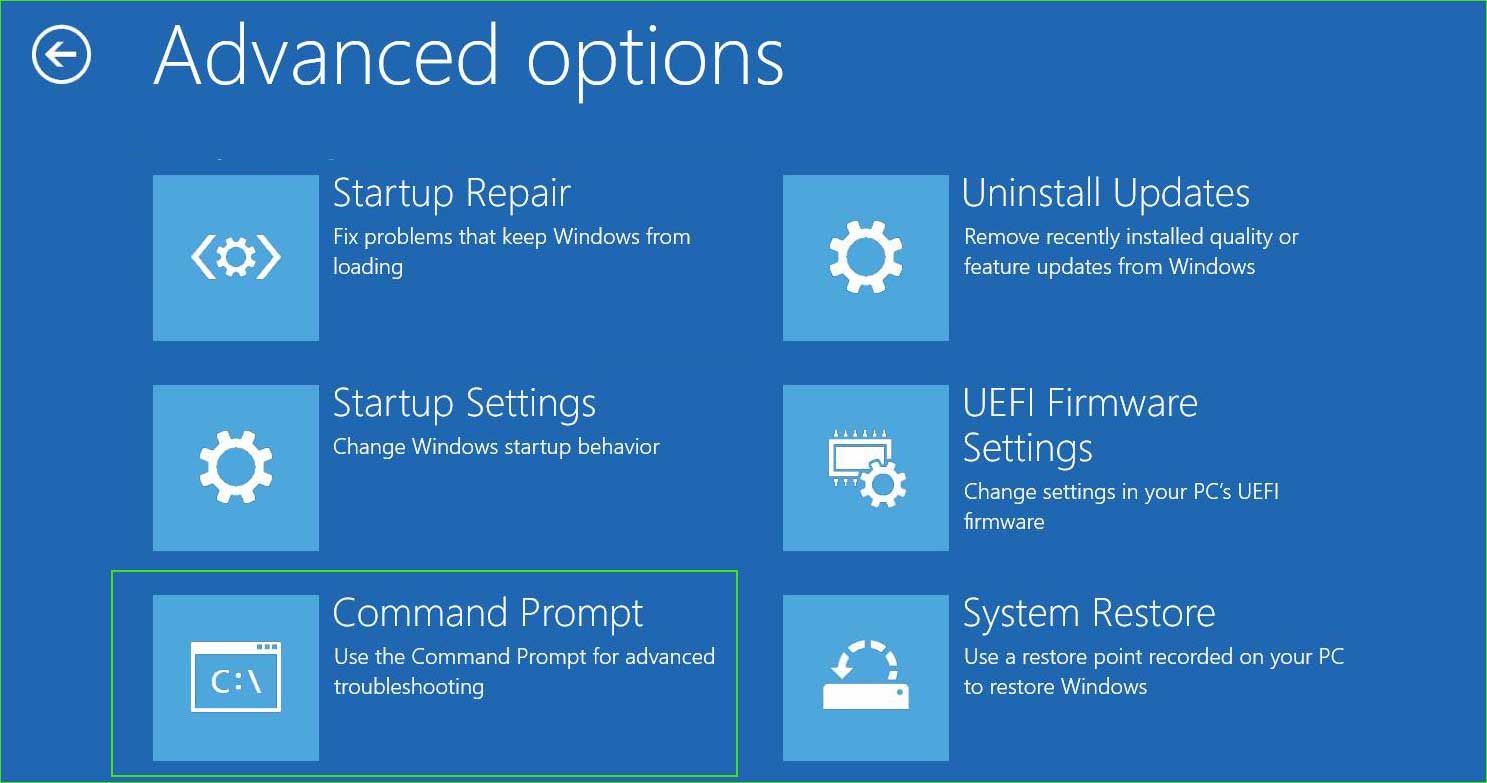
open_command_prompt in Advanced Startup Options
Step 5: Type the following commands and press Enter to execute them.
bootrec /FixMbr
bootrec /FixBoot
bootrec /ScanOs
bootrec /rebuildbcd
Step 6: Now restart your computer, and you should no longer see the boot error message: Non-system disk or disk error.
Solution 4: Replace the faulty hard drive/SSD.
This error often occurs due to a malfunctioning hard drive or SSD. In such cases, it is important to replace the faulty hard drive with a new one and install a fresh version of the Windows operating system.
Solution 5: Perform a Startup Repair.
This is a type of startup issue, so you can fix it by performing a startup repair. Startup Repair is an advanced mechanism that removes startup errors and allows you to log into your Windows account. You can perform a startup repair as follows:
Step 1: Boot your computer using Windows installation media. The Windows installation wizard will open. Click Next.
Installing Windows Operating System
Step 2: Select Repair your computer.
Repair your computer option for Windows 10 and 11
Step 3: The Advanced Options or Windows Recovery Environment will open.
Step 4: Go to Troubleshoot.
Troubleshoot in the Advanced Startup Options menu for Windows 10 and 11
Step 5: Choose Advanced options.
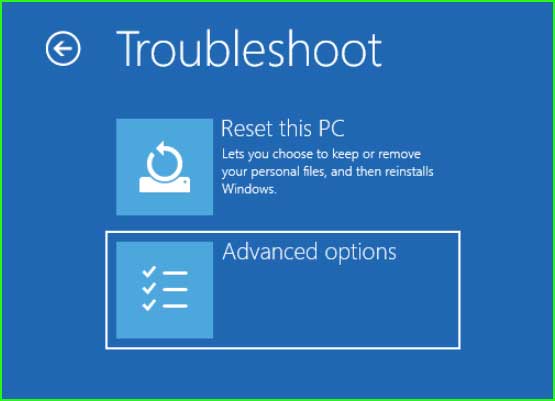
Advanced options for Windows 10 and 11
Step 6: Select Startup Repair.
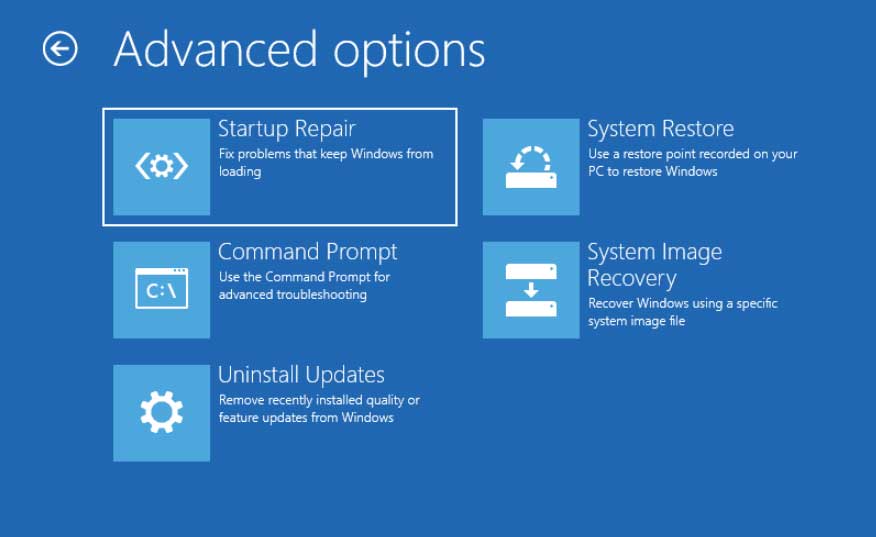
Startup Repair for Windows 10 and 11
Step 7: Select the operating system.
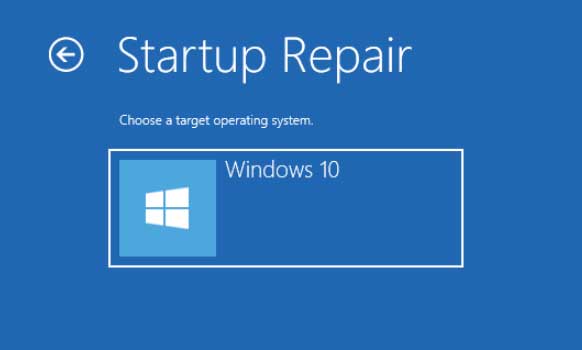
Startup Repair - Select Operating System
Step 8: Your computer will begin diagnosing. Please wait for the process to complete.
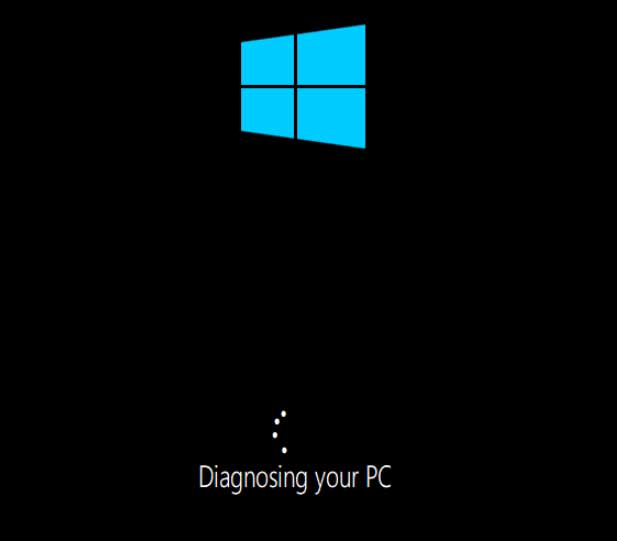
Diagnosing Windows 10 and 11
Solution 6: Run CHKDSK, SFC, and DISM commands to fix corrupted sectors on the hard drive, file system, and the entire Windows operating system.
SFC (System File Checker), DISM (Deployment Imaging Service and Management), and CHKDSK (Check Disk) are all built-in utilities in Windows that can help fix file system issues. Each tool serves a specific purpose in diagnosing and repairing file system problems.
Step 1: Open the Advanced Startup Options.
Step 2: Go to Troubleshoot → Advanced options → Command Prompt.
Step 3: Now run the following commands one by one.
System File Checker tool
sfc /scannow
Secondly, run the Dism command
Dism /Online /Cleanup-Image /CheckHealth
Dism /Online /Cleanup-Image /ScanHealth
Dism /Online /Cleanup-Image /RestoreHealth
Thirdly, run the disk check utility.
chkdsk C: /f /x /r
Conclusion
In this article, we discussed how to fix the Non-system disk or disk error.
The Non-system disk or disk error can be frustrating, but you can resolve it by removing external storage media, performing a startup repair, and fixing the MBR, among other solutions.


