

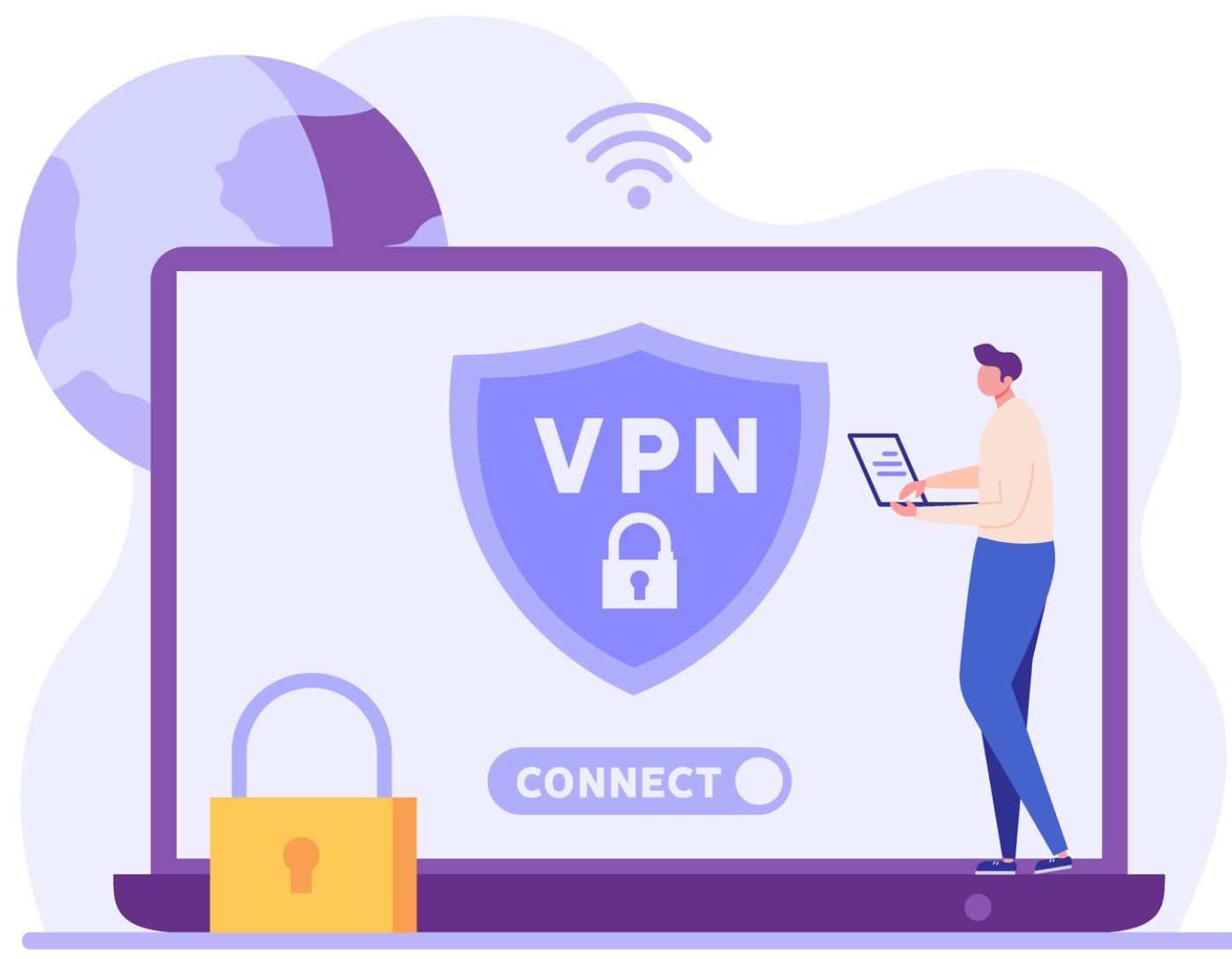
Advantages and Disadvantages of Using a VPN: Given the rise in data theft incidents, the fear of personal data breaches and online tracking has become a reality. For this reason, in such cases, Virtual Private Networks (VPNs) represent the ultimate measure of online security.
What is a Virtual Private Network?
A Virtual Private Network is a tool that helps maintain anonymity online. It hides your IP address and replaces it with a unique IP address that corresponds to your connected server. The concept of a VPN is designed to give you an advantage when you are online. But does it serve its purpose effectively? Naturally, everything has its pros and cons, and VPNs are no exception.
There are multiple advantages and disadvantages to using a VPN. In this article, we will cover them all! Without further ado, let’s dive into the details!
Understanding VPNs - How Do They Work?
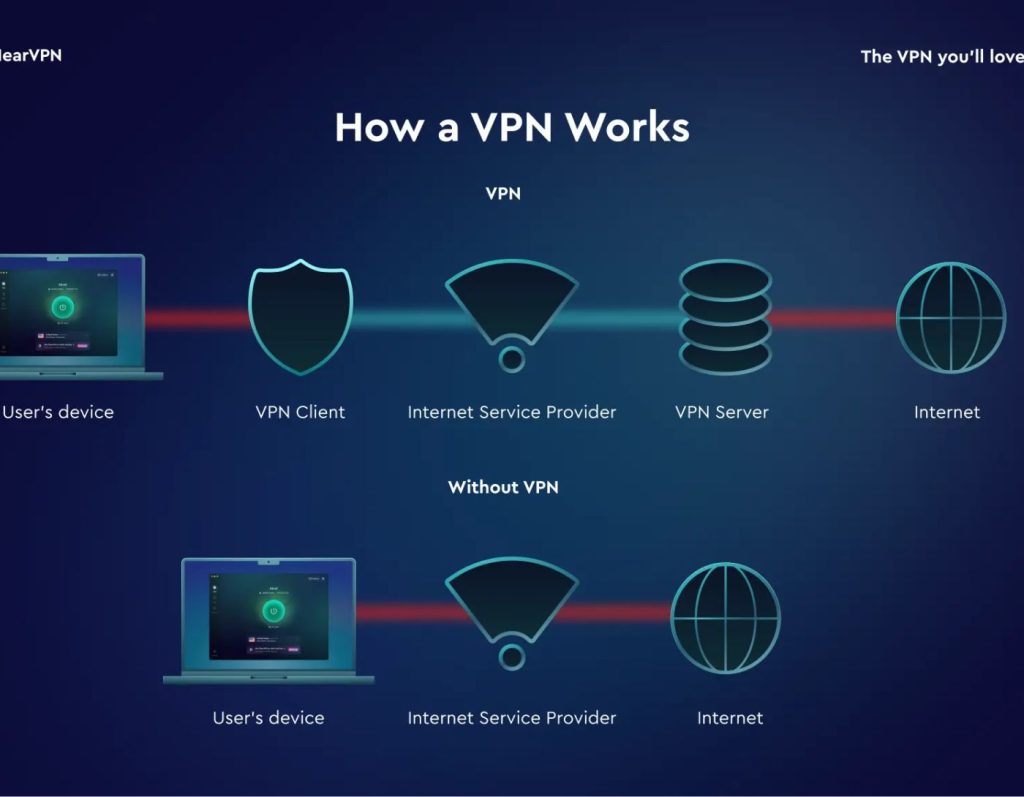
The introduction may have given you a brief idea about VPNs and their benefits in hiding IP addresses and making users and their information unrecognizable to hackers. Simply put, a VPN acts as an intermediary between your device and the website server.
Let’s examine how it functions as an intermediary and secures your connection.
Your IP address is a value assigned to identify your current location, device information, and any other specific data that the website has permission to access. Typically, the website or server gains access to your data to provide you with a personalized experience. However, things get complicated when third-party entities exploit or sell that data on the black market.
Therefore, to avoid a direct connection between your data and the website (or any online space), your IP address should remain undisclosed. That’s precisely what a VPN is all about.
It hides your original IP address by first connecting you to a different server, changing your location and device information. Now that your information has been altered, the website receives a convincing set of data that cannot directly harm you.
In reality, the way a VPN operates to protect data is impressive. However, it also has its share of advantages and disadvantages.
Advantages and Disadvantages of Using a VPN
Let’s start with the advantages of using a VPN service.
Key Advantages of Using a VPN
1. Reduces Bandwidth Throttling
Bandwidth throttling is a common issue worldwide. Different bandwidth limits are required to access specific websites or applications. Since your Internet Service Provider (ISP) can track your online activity, they throttle this bandwidth according to that requirement. This directly affects the speed of your connection from the ISP. However, using a VPN removes the ISP's access to your activity, meaning the bandwidth remains uniform, providing a better online experience.
2. Remote Connection Protection
Remote work is the new norm. Thanks to remote culture and connectivity, you can join any organization around the world. However, when working remotely, you have intruders and hackers waiting to seize information from your computer.
When working with an organization, you may need to share your credentials and online activity with them, or there may be a potential mechanism to track activity on your device. Your personal information can be easily exposed.
With a VPN, you can avoid revealing all that. It completely hides your activities and keeps them concealed from your employer as well. At the same time, if you are an employer, you can provide a dedicated VPN for your employees to use specifically for work purposes, adding an extra layer of security to remote connectivity.
3. Access to Blocked/Restricted Websites
The idea of the internet is truly liberating. However, some countries and governments block or restrict access to certain websites either due to conflicts of interest or internet censorship policies. A VPN allows you to hide your current location and choose a server that can access the desired content/website. It keeps your online freedom intact. However, you need a VPN with strong encryption and sufficient infrastructure to support visibility.
4. Reduces Data Breaches and Cyber Threats
Using a VPN can be one of the strongest allies in your fight against the dangers of cybercrime and data breaches. As mentioned earlier, a VPN creates an intermediary between the internet and your computer.
5. No Geographical Restrictions
Online geographical restriction refers to the limitations imposed on accessing content from other countries, languages, or cultures. Streaming platforms often have these restrictions because content requirements and value vary from one country or region to another.
You can bypass this ban using a VPN! Isn’t that great?
Although these advantages make using a VPN more desirable, there are still many undiscovered issues with the service.
Now that we’ve discussed the positives, let’s move on to the disadvantages one might encounter while using a VPN. When it comes to using a VPN, there are many risks involved if any of the security measures fail.
Key Disadvantages of Using a VPN
Some common disadvantages of using a VPN include -
1. VPNs are Illegal in Many Countries
While the possibilities you can explore using a VPN are endless, some countries still need to allow VPN usage. It’s a regulatory issue, and it’s understandable that there are concerns regarding VPN companies using user logs to exploit data and breach privacy.
If you are in one of those countries where VPN laws are strict, do not attempt to download fake VPN clients, as they are worse than using the internet without one. Instead, you can opt for a proxy.
2. Subscription Costs
Another drawback of using a VPN is the subscription cost. Sure, you can find free VPNs, but their plan is to sell you unnecessary ads in exchange for providing you with below-average services.
Paying for a service is the better option. The best you can do is find a suitable provider that offers high-quality services at the best reasonable price.
The only way to overcome this disadvantage is to act wisely and invest in the most valuable product for your money.
3. An Extra Step to Connect
Connecting to the internet is as easy as just turning on your computer. It happens automatically, especially if you are using a LAN cable or Wi-Fi connection. It practically works all the time! Using a VPN can be an extra step you need to add to your daily usage.
While it may not be a huge issue considering it’s essential for your privacy, forgetting to connect to a VPN could cost you a lot.
Conclusion
In this article, we discussed the advantages and disadvantages of using a VPN. Should you use a VPN? Absolutely, yes! The benefits of using a VPN outweigh the drawbacks. Another takeaway from the analysis is the importance of choosing the right VPN service provider. Your VPN experience depends on the provider you choose.
I hope you found your answers and perspective on the advantages and disadvantages of using a VPN. If you have any questions or inquiries, please reach out to us in the comments section below.


