

If you are a researcher or analyst who relies on data to draw conclusions, then IBM SPSS Statistics will definitely be beneficial for you. This powerful program is the secret weapon for many in academia and business, transforming raw numbers and data into clear graphs and reports. In this version of IBM SPSS Statistics, the company has introduced a range of new features that enhance the program's performance, even though official support for this version will soon come to an end. In this article, we will take you on a tour of this version to see exactly what it offers you.
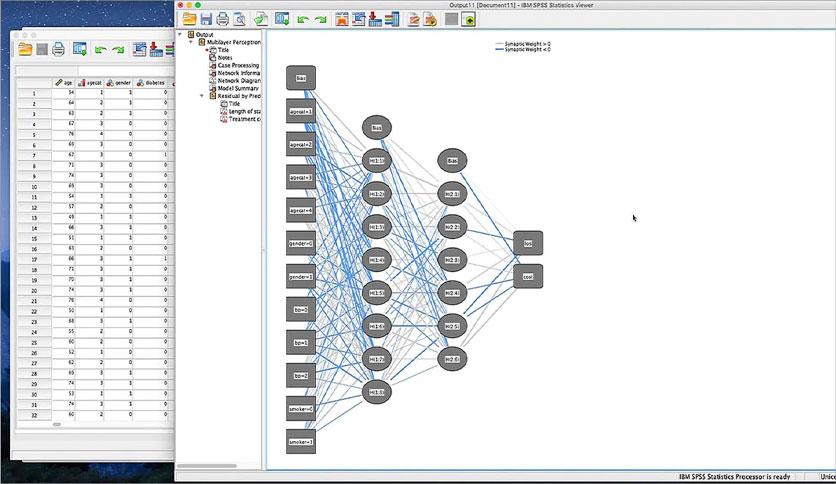
Overview of IBM SPSS Statistics
SPSS Statistics is another step in the ongoing development of the world's most famous statistical analysis software. This version combines the program's well-known analytical power with a modernized user interface. Released in April 2020, it provides users with advanced tools for predictive data analysis and hypothesis testing. It's worth noting that IBM has announced that core support for this version will end on September 30, 2025, meaning that security updates and technical support will cease after this date, although extended support will continue for some time.
Key Features of IBM SPSS Statistics
This version comes loaded with several new features aimed at enhancing the analysis experience, and one of the most notable additions is:
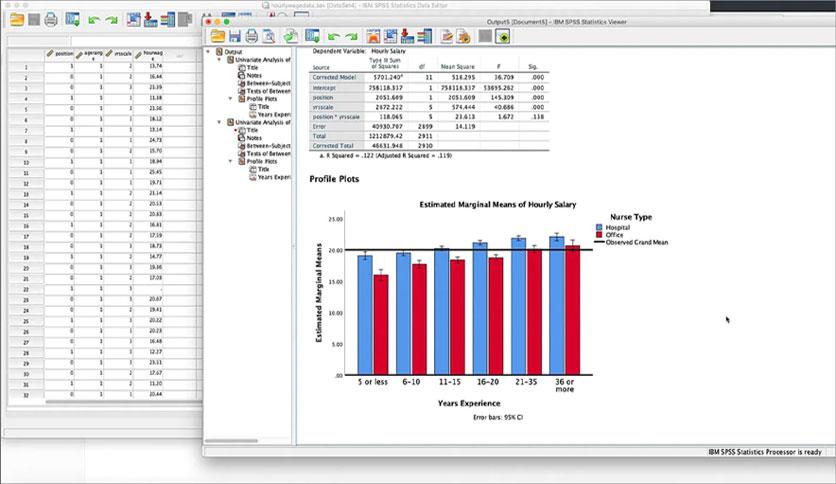
- Expanded support for ROC curve analysis, allowing you to visually assess the performance of classification models with precision.
- Introduction of Quantile Regression, which provides more robust and reliable results when your data contains outliers.
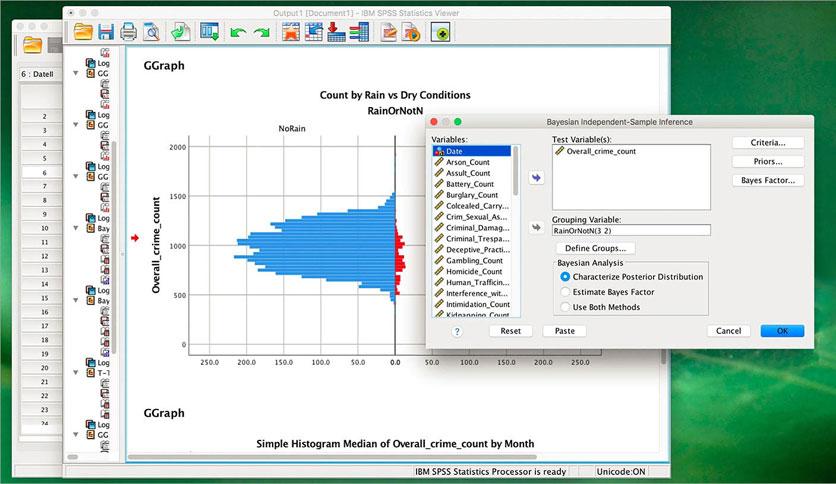
- Some statistical procedures, such as one-way repeated measures ANOVA and Bayesian tests for single samples, have seen significant updates that make your analysis more comprehensive.
- However, some reviews indicate that the new interface, despite its modernity, lacks some functionalities available in the classic interface, making access to certain popular analyses require more steps.
System Requirements for IBM SPSS Statistics on Mac
To run the program smoothly on your device, you need to ensure that your system meets the basic requirements.
- Operating System: macOS Catalina (10.15), Big Sur (11), Monterey (12), Ventura (13), or Sonoma (14)
- Processor: Intel x86-64 or Apple Silicon (ARM64)
- RAM: Minimum 4 GB – 8 GB or more is recommended for better performance
- Storage: At least 4 GB of free disk space for installing the program
- Display Resolution: 1024 × 768 pixels or higher for clear interface display
- Additional Requirements: Java Runtime Environment (JRE) must be available to run some internal components of the program.
Advanced Features of IBM SPSS Statistics
This version offers you specialized tools in programming and scripting where:
- MATRIX commands have been enhanced to support long variable names, providing greater simplicity in writing complex scripts.
- If you are responsible for a network in an organization, you will find that concurrent licensing tools have been developed to support collaborative work environments.
- The Production Facility has also been improved to allow you to automate and schedule tasks efficiently, which can be a practical alternative to other services.
- It's important to note that this version comes with the "SPSS Data Driver," which allows other applications to read .sav files directly via ODBC or JDBC, expanding data integration capabilities.
Conclusion
After considering all these points, it is clear that IBM SPSS Statistics is a powerful release with valuable analytical additions for advanced users. The new features in regression and curve analysis enhance the program's capabilities in classification and handling unusual data. However, the user experience with the new "SubscriptionNew" interface may not suit everyone, especially those who rely on speed and efficiency in their routine tasks, as some feel it is incomplete and increases the number of clicks required to complete tasks. Additionally, the crucial decision you need to make is regarding the end of official support in September 2025, so if you are considering relying on it long-term, upgrading to a newer version may be a safer option to ensure continued support and updates.


 File Name:
 Downloads:
 Requirements:
 Version:
 Full Version:
 Created By:
 License Type:
 Release Date:
 Languages: