

Connection: The Nightmare Within is one of the most notable psychological horror games released in recent years, successfully capturing the attention of horror game enthusiasts worldwide with its dark style, captivating story, and an audio-visual experience that mimics nightmares. This game prompts players to question what is real and what is imagined, showcasing a bitter internal struggle within the mind of the protagonist. In this article, we will explore everything about the game, including its story, gameplay style, visual and audio elements, as well as its reception from both audiences and critics.
The Story: A Journey into the Depths of the Mind
The events of Connection: The Nightmare Within revolve around a young man named "Ethan," who finds himself trapped in a nightmarish world after experiencing a violent psychological incident in his real life.
Ethan suffers from a nervous breakdown that leaves him unable to distinguish between reality and fantasy, and his journey begins as he tries to understand what is happening to him, uncovering the secrets of his dark past and the reasons behind the nightmares that haunt him.
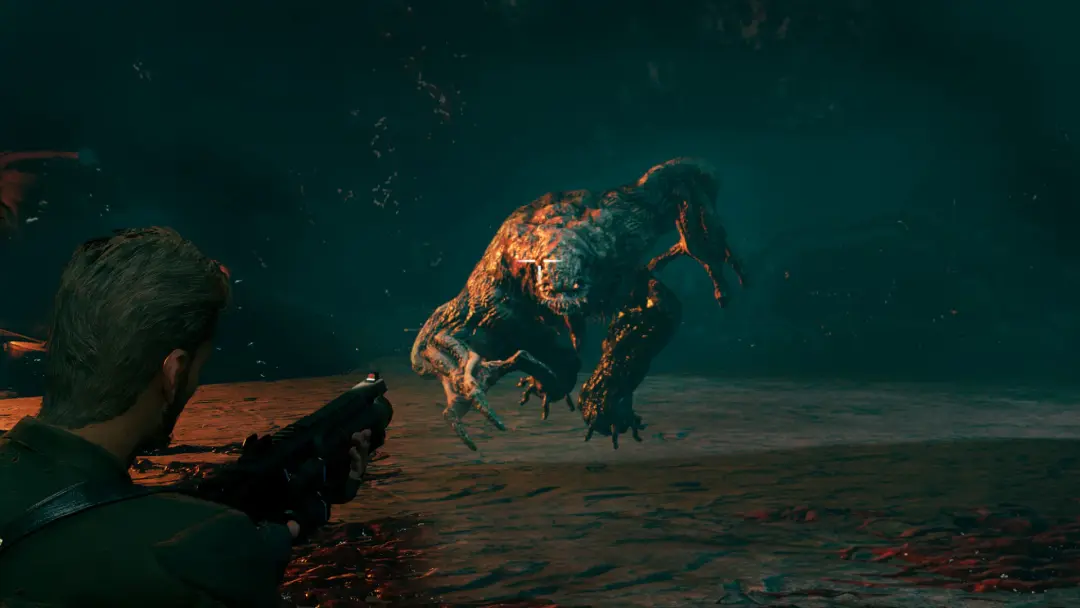
Players navigate through different layers of consciousness, as Ethan moves between familiar places from his real life (like his home, school, and a mental health hospital) and surreal locations that seem to have emerged from terrifying nightmares.
With each stage he progresses through, players uncover fragments of Ethan's repressed memories, gradually discovering what led him to his mental breakdown.
The core message of the game revolves around psychological trauma and how the mind can create its own world to escape from pain. It also addresses issues such as the loss of loved ones, loneliness, and feelings of guilt.
Gameplay: A Blend of Puzzles and Survival
Connection: The Nightmare Within features a gameplay style that combines puzzle-solving, survival elements, and exploration. The game does not rely heavily on direct combat; instead, it focuses on stealth, evasion, and utilizing the environment to solve problems and advance the story.
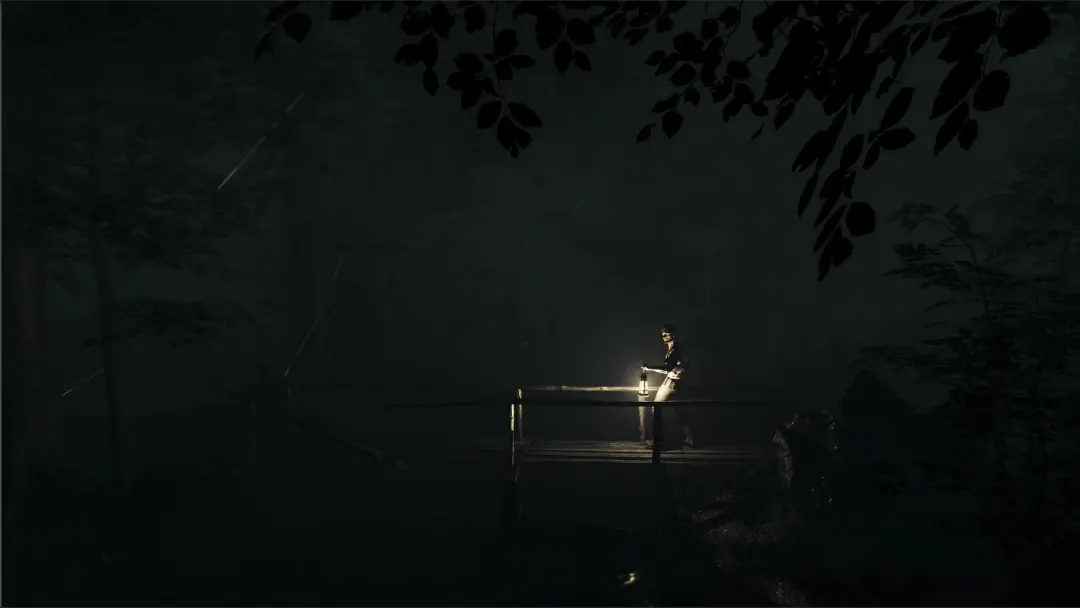
Key Gameplay Elements
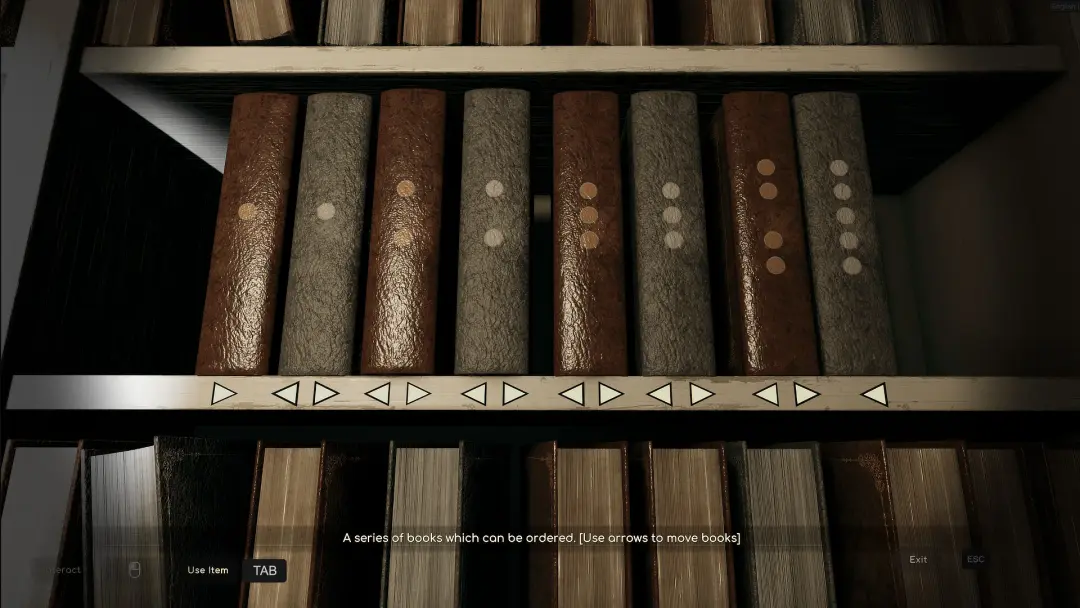
- It involves analyzing mysterious symbols and understanding hidden messages in the surrounding environment.
- Players transition between the "real world" and the "nightmarish world," with different rules governing each realm.
- There are dark entities that chase the player, some representing emotions like anger or guilt, which must be evaded or hidden from.
- Players face choices that affect the course of the story and its ending, enhancing replayability.
The game is not fast-paced; instead, it relies on gradually building tension through sounds, dim lighting, and a disturbed environment that evokes discomfort.
Graphics and Art Design: The Art of Horror at Its Finest
The visual aspect of Connection: The Nightmare Within is one of its strongest points, utilizing a powerful graphics engine (likely Unreal Engine 5) to deliver highly realistic scenes with intricate details in faces, lighting, and environments.
Notable Artistic Aspects
- Nightmarish world design: Blending elements inspired by surrealist artists like Salvador Dalí, with atmospheres reminiscent of David Lynch's films.
- Color gradients: In the real world, cold and grayish tones prevail, while in the nightmarish world, dark reds and deep blacks reflect tension and fear.
- Environmental details: Every element in the environment carries symbolic significance, from torn images on walls to endless corridors and locked doors that only open when the player understands part of the story.
Music and Sound: Voices from the Unconscious
The auditory experience in Connection: The Nightmare Within is just as important as the visual aspect, employing precise sound effects that evoke anxiety and terror, from footsteps on creaky wooden floors to whispers emerging from the void.
What Sets the Soundtrack Apart
- Use of low frequencies: To create an invisible tension throughout the gameplay.
- Slow piano sounds: Reminiscent of Japanese psychological horror films.
- Sudden transitions: Moving from moments of complete calm to screams or loud explosions, heightening the player's adrenaline.
Download Connection: The Nightmare Within with a direct link
Multiple Endings: Will You Face Your Nightmare or Escape?
The game features several endings that vary based on the player's choices and understanding of the story. Some endings are characterized by hope and redemption, while others depict the protagonist's descent into madness and complete disconnection from reality, enhancing players' desire to replay the experience to discover all possibilities.
Audience and Critical Reception
Since its release, Connection: The Nightmare Within has received positive reviews from critics, who praised its originality in delivering an unconventional psychological horror experience, with some describing it as "more of an artistic message than a game." They commended its blend of horror elements, surreal art, and expression of psychological trauma.
However, the game has not been without criticism, particularly regarding its slow pacing and some puzzles that may be overly obscure and take too long to solve.
Connection: The Nightmare Within is not just a horror game; it is a journey into the human psyche, addressing the fear of oneself, the past, and the unhealed pain. It serves as a silent call to confront nightmares rather than escape from them, in an experience that combines art and horror.


 File Name:
 Publisher:
 Full Version:
 Created By:
 Release Date:
 Languages: